Grills & outdoor cooking
The grill aisle at a big-box store is full of things that look like a bargain in April and rust out by the third summer. We stock the other kind: heavier metal, better burners, and parts you can still get in five years.
What we carry
Four ways to cook outside.
Stock rotates with the season, so call ahead if you are after something specific. If we do not have it on the floor, we can usually get it.
Gas grills
Propane or natural gas, freestanding on a cart or a built-in head for an island. This is the weeknight answer: lit and up to temperature in about ten minutes, with the burner control to run a low side and a hot side at the same time.
Charcoal grills & kamados
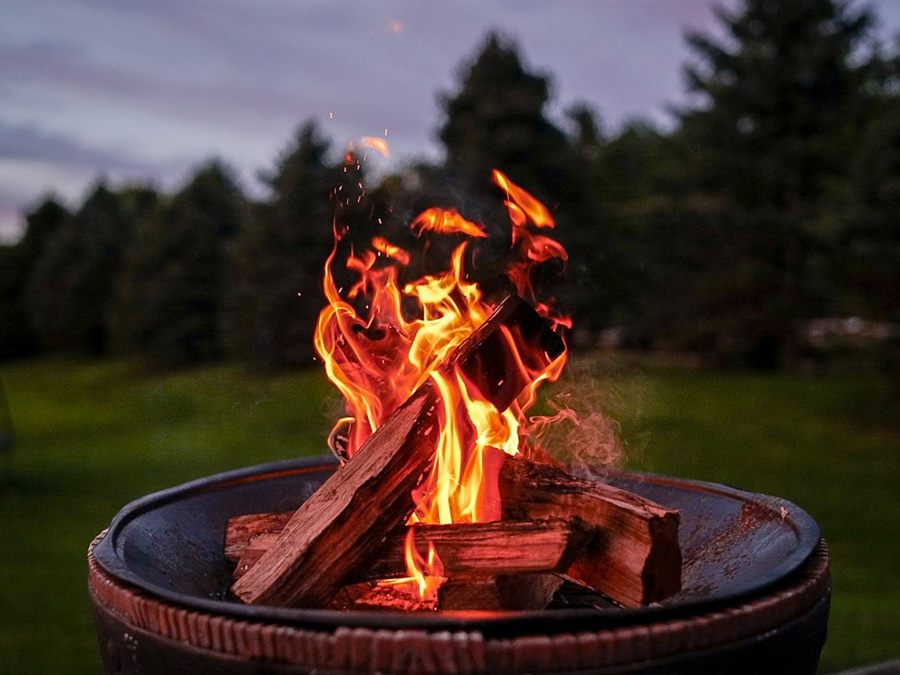
For the flavor and the heat you cannot get from gas. Thick ceramic kamados hold a low temperature for hours and then turn around and sear at 700 degrees, which is why people who cook seriously usually own one.
Smokers
Low, slow, and mostly hands-off. If the goal is a brisket that takes all day or ribs worth bragging about, this is the category, and we will talk you through the differences before you spend the money.
Built-ins & accessories
Grill heads for outdoor kitchens, plus the covers, grates, tools, and replacement parts that keep a good grill running. Bringing us the model number is usually enough to find the part.
| Gas | Charcoal | Kamado | Smoker | |
|---|---|---|---|---|
| Ready to cook in | About 10 minutes | 20–30 minutes | 20–30 minutes | 30 minutes or more |
| Flavor | Clean and mild | Classic charcoal char | Charcoal, plus real searing heat | Deep smoke |
| Temperature control | Easiest, burner knobs | Vents and coal bed | Excellent; holds for hours | Built for low and slow |
| Best for | Weeknight dinners | Weekend cooking | Doing both well | All-day cooks |
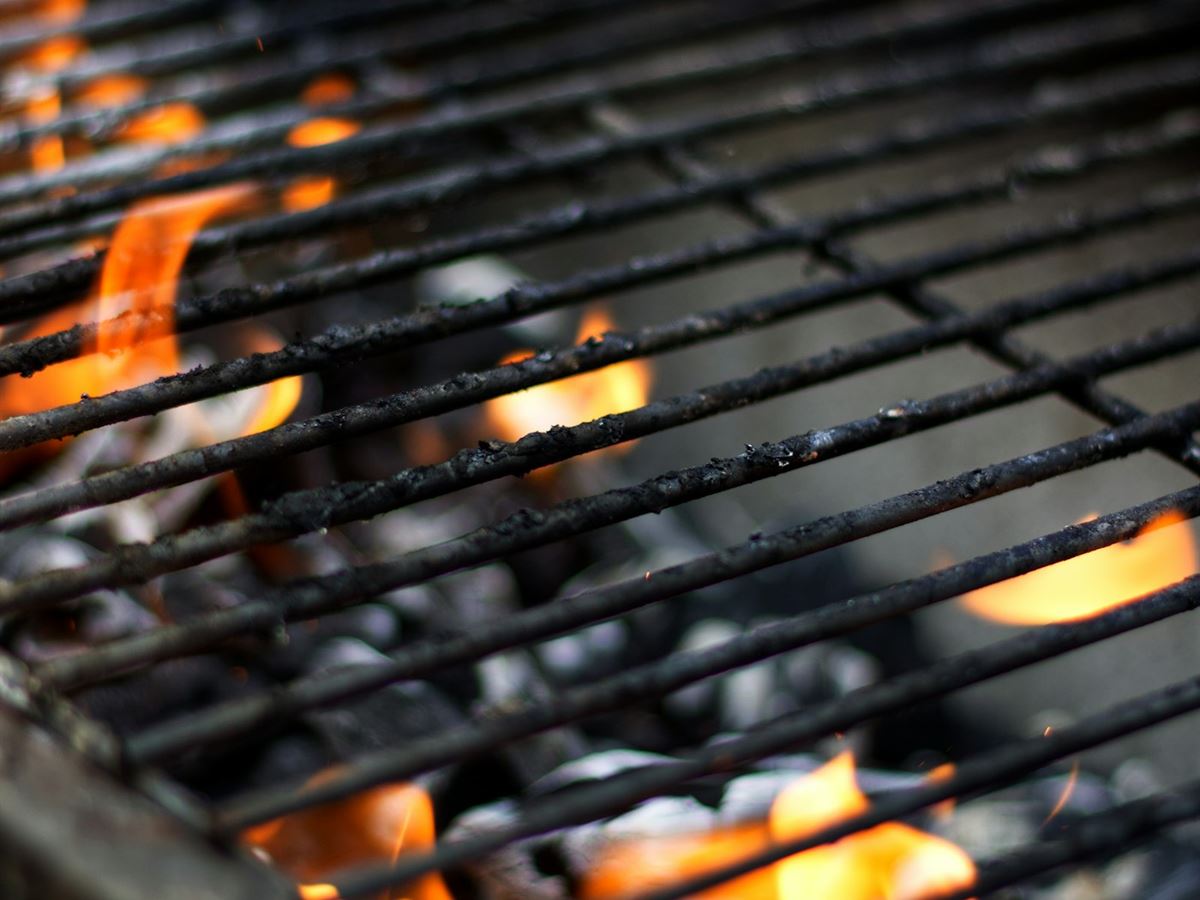
Gas or charcoal is a question about your Tuesdays.
Not about which one is better. Be honest about how you actually cook and the answer picks itself.
- Gas, if grilling is dinner. Weeknights, quick turnarounds, and the ability to shut it off and walk inside. Convenience is a real feature, not a compromise.
- Charcoal, if grilling is the point. Better flavor, higher heat, more control for anyone who enjoys the process on a Saturday afternoon.
- Kamado, if you want both. Sears like charcoal and holds low temperatures like a smoker, the most versatile single cooker most people can own.
- Plenty of people buy both. A gas grill for the weeknights and something charcoal for the weekend is the most common setup we sell.
What actually separates a $400 grill from a $2,000 one.
It is almost never the number of burners on the box. It is the metal, the welds, and whether anyone will still sell you a part for it in five years.
- Gauge, not just “stainless.” Thin stainless still warps and pits. Heavier gauge holds its shape through years of heat cycles.
- Welded beats bolted. A welded firebox stays square. Bolted sheet metal works itself loose and starts leaking heat.
- Burners are consumable. They will eventually go. The question is whether replacements are available, which is exactly what you cannot find out for a closeout model.
- Grate material matters. Heavy cast or thick stainless holds heat and leaves real sear marks; thin wire grates do not.
- Ask about natural gas. If a line can reach your patio, you can stop buying propane tanks forever, but the grill has to be built or converted for it.
Common questions
What people ask us first.
Gas or charcoal: which should I buy?
Gas if you grill on weeknights and want to be cooking within ten minutes. Charcoal or kamado if the cooking itself is the hobby and you want the flavor and the high heat. Plenty of people end up with one of each, and there is nothing wrong with that.
Can I run a grill off my natural gas line instead of propane tanks?
Yes, if the grill is built or converted for natural gas and a line can reach the patio. The two fuels are not interchangeable without the correct conversion, so tell us which you have before anything gets ordered.
What makes an expensive grill worth it?
Mostly metal. Heavier gauge stainless, welded construction instead of bolted sheet, and burners and grates you can actually buy replacements for years down the road. That is the difference between a grill you replace every three seasons and one you keep for fifteen.
Do you carry built-in grills for an outdoor kitchen?
Yes. Built-in heads drop into a masonry or framed island. If you are planning an island, come talk to us before it gets built. The cutout dimensions, gas requirements, and clearances all come from the grill you choose, and rebuilding an island is an expensive way to learn that.
Do you assemble and deliver?
Ask us when you order. It depends on the model and where you are, and we would rather give you a straight answer about your specific grill than make a blanket promise we cannot keep.
Next step
Tell us how you cook.
Weeknight burgers or all-day brisket, cart or built-in island. Tell us the plan and we will tell you what makes sense. We call back within one business day.
- Rome Showroom
- 3 Holmes Ave NW
Rome, GA 30165
Get directions - Canton Showroom
- 3275 Marietta Hwy
Canton, GA 30114
Get directions - Hours
- Monday–Friday
8:30 AM – 4:00 PM
We call back within one business day.
Also on the floor