Fireplaces, inserts & wood stoves
Some people want the smell of a real wood fire. Some want heat at the flip of a switch on a Tuesday night. Both start with the same question: what is this room actually for? We have been answering it in Rome since 1974.
What we carry
Four ways to put a fire in the room.
We stock and install all four. Which one is right depends on your house, not on what we happen to have on the floor.
Gas fireplaces
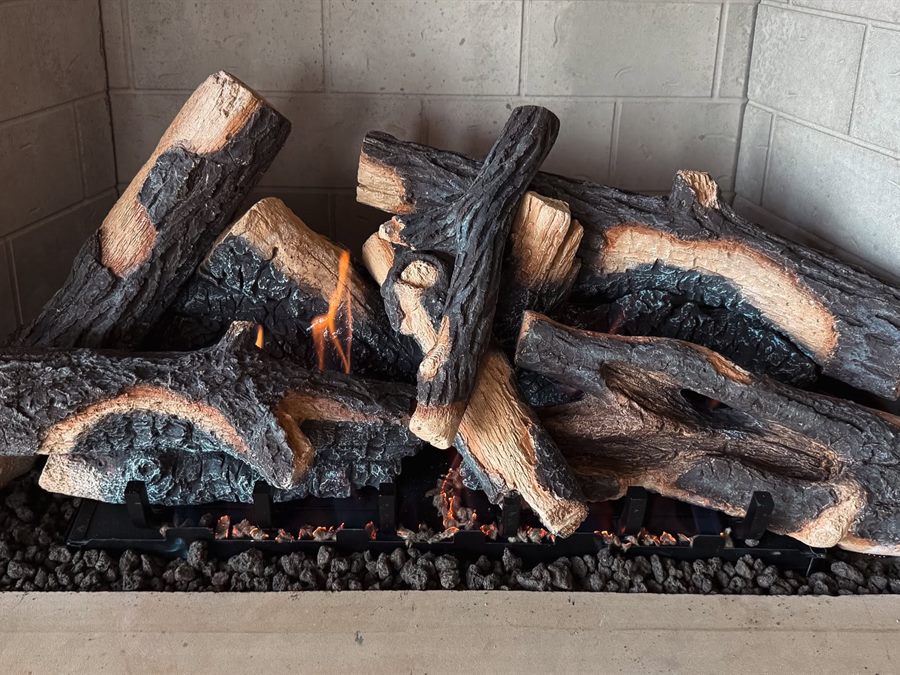
Direct-vent units that run on natural gas or propane and vent straight out an exterior wall or up through the roof, so they can go in rooms that never had a chimney. Push a button, get fire and real heat, walk away.
Wood-burning fireplaces & stoves
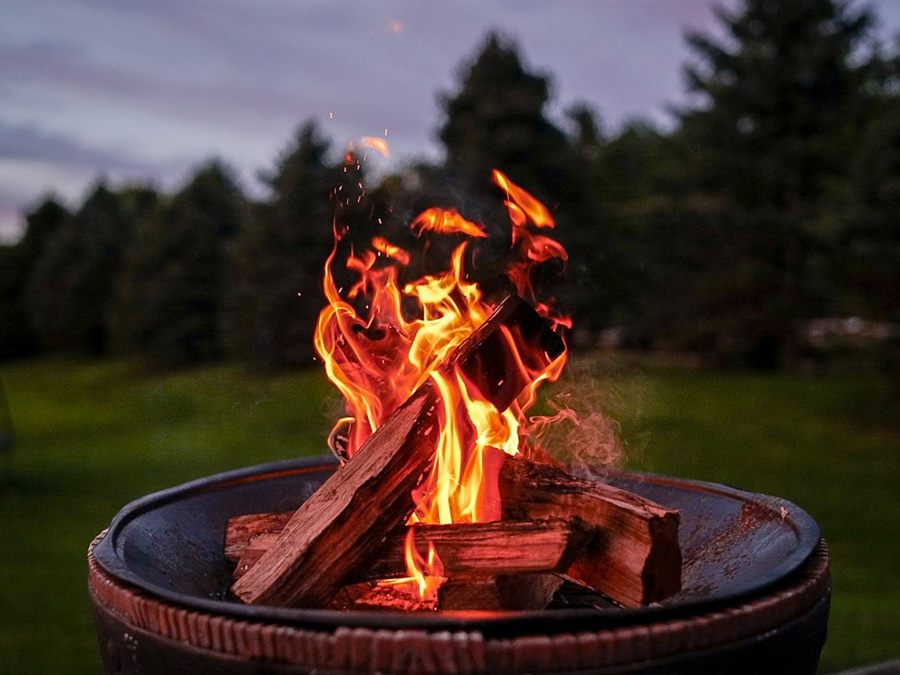
For people who want the crack and smell of a real fire. We carry Jøtul cast iron, plus Osburn and Buck Stove (stoves and inserts built to heat hard and last decades), alongside wood-burning fireplace units.
Fireplace inserts
A sealed firebox that slides into the masonry fireplace you already have. This is the fix when your existing fireplace looks great and heats nothing. Gas or wood, dropped into the opening you already own.
Freestanding stoves
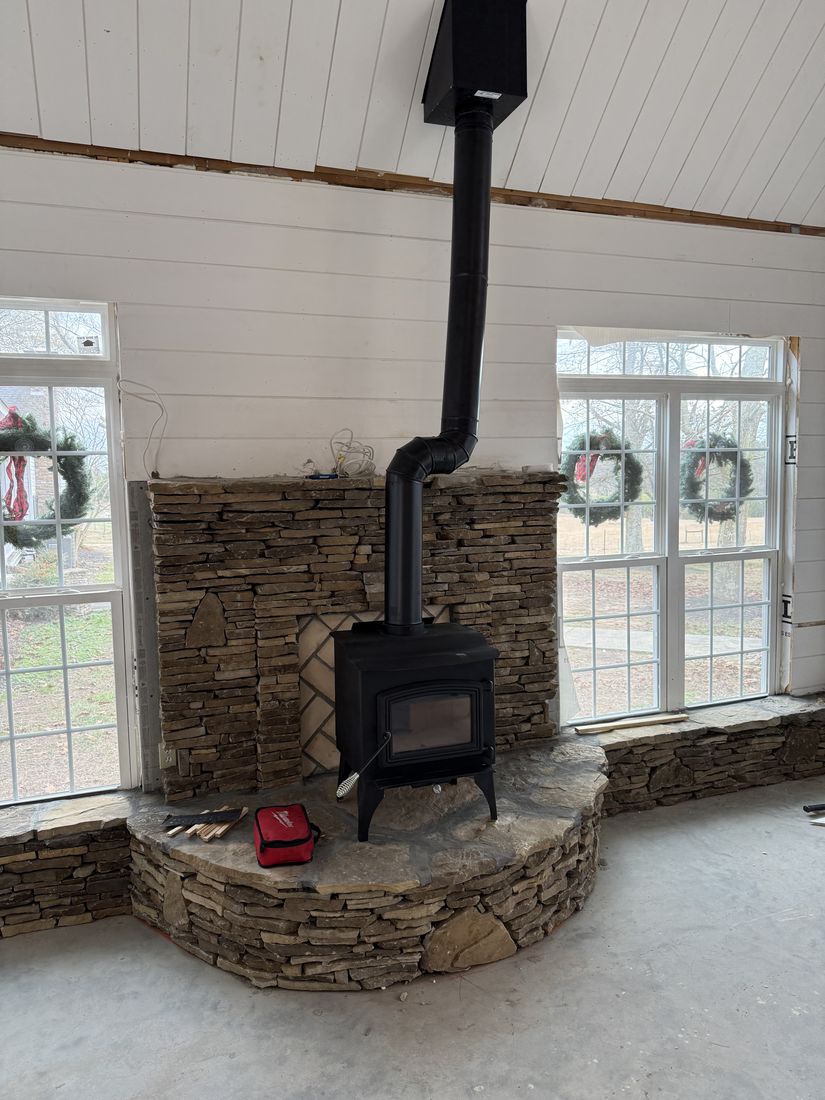
A stove standing out in the room radiates heat from every side, which makes it the most effective way to actually warm a space. Gas or wood, vented through a wall or an existing chimney.
| Gas fireplace | Wood fireplace or stove | Insert | |
|---|---|---|---|
| Best for | Heat on demand with no mess | People who want a genuine wood fire | Fixing a masonry fireplace you already have |
| Chimney needed | No, vents through a wall or roof | Yes | Uses your existing chimney |
| Heat into the room | Strong and controllable | Strong, but needs tending | Strong, the biggest gain over an open firebox |
| Effort to run | Flip a switch | Haul, stack, light, sweep | Depends on the fuel you choose |
| Works in a power outage | Often, with a standing pilot | Yes | Often, with a standing pilot |
Start with the room, not the unit.
Picking a fireplace backwards (falling for a model first and forcing it into the space after) is how people end up disappointed. These are the five things we walk through with every customer, usually in about ten minutes.
- The job. Ambiance on holidays, or heat you actually run in January? That single answer rules out half the options.
- The location. Dropping into an existing masonry firebox is a different project than framing a new wall for a fireplace that has never been there.
- The fuel. Natural gas, propane, or wood. Mostly decided by what is already at the house and what you are willing to carry.
- The venting. Direct vent through a sidewall, up an existing chimney, or a stove pipe. This drives what can physically go where.
- The finish. Surround, mantel, and hearth. Our showroom has stone and live-edge timber mantels standing up so you can see them at full size.
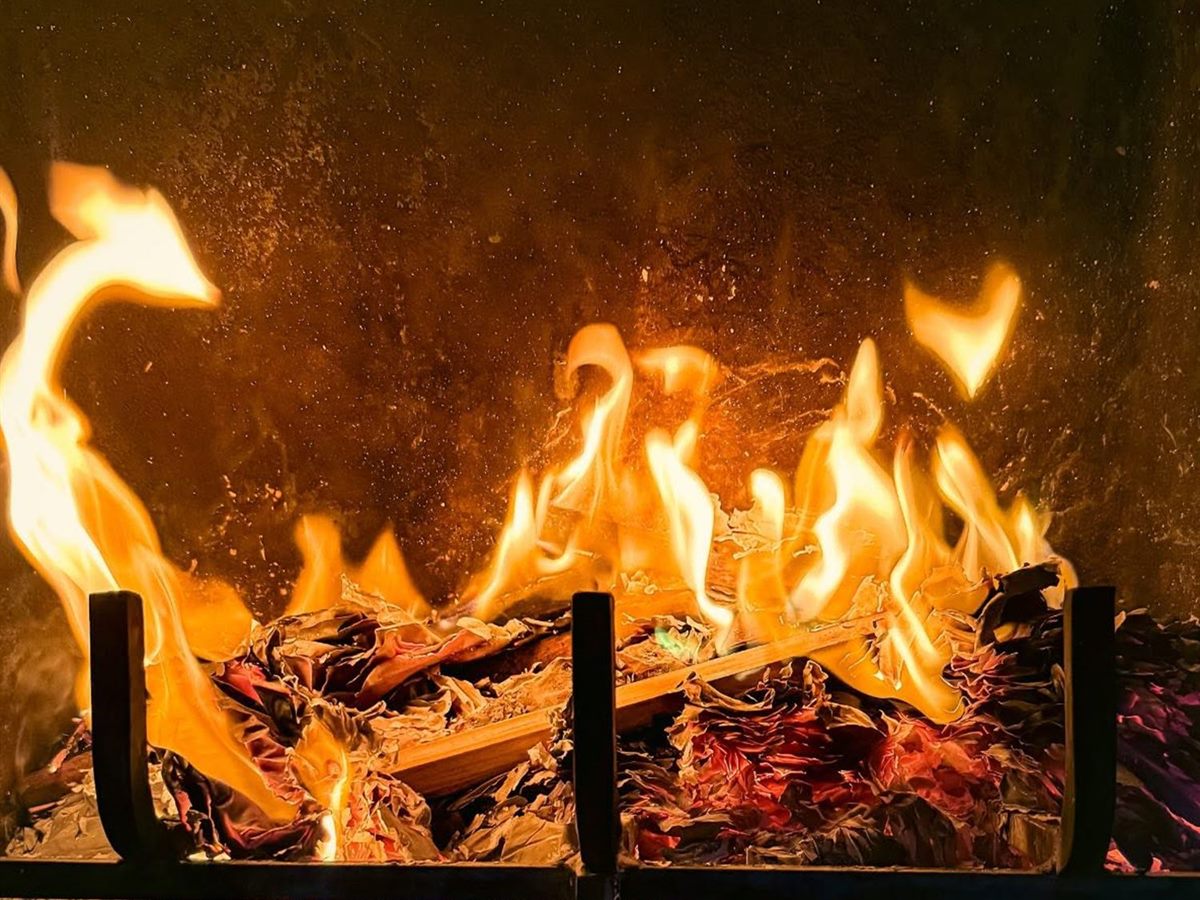
If your fireplace eats heat, you want an insert.
An open masonry fireplace is a beautiful hole in your wall. It pulls warm air out of the room and sends most of it up the chimney, which is why the room with the fire in it is often the room you are still cold in.
An insert closes that opening with a sealed firebox and pushes heat back into the room instead of up the flue. You keep the fireplace and the mantel you already have; the difference is that you finally feel it. Gas inserts light instantly and run on a switch or remote. Wood inserts hold a fire far longer than an open firebox ever will.
- Bring a photo. A picture of your firebox and a rough width, height, and depth is enough for us to tell you what fits.
- We measure before we quote. No two masonry openings are the same, so we confirm on site before anything is ordered.
Installed by us
Some we have finished.
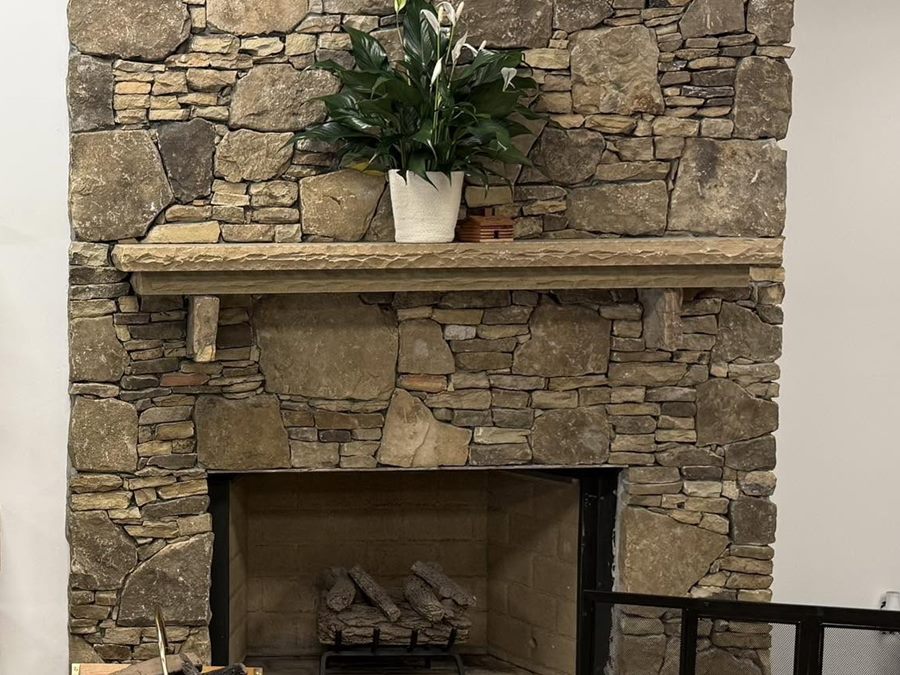
Every one of these is a real room in Northwest Georgia. The unit is the easy part; what makes it look right is the surround, the hearth height, and getting the size honest for the room.
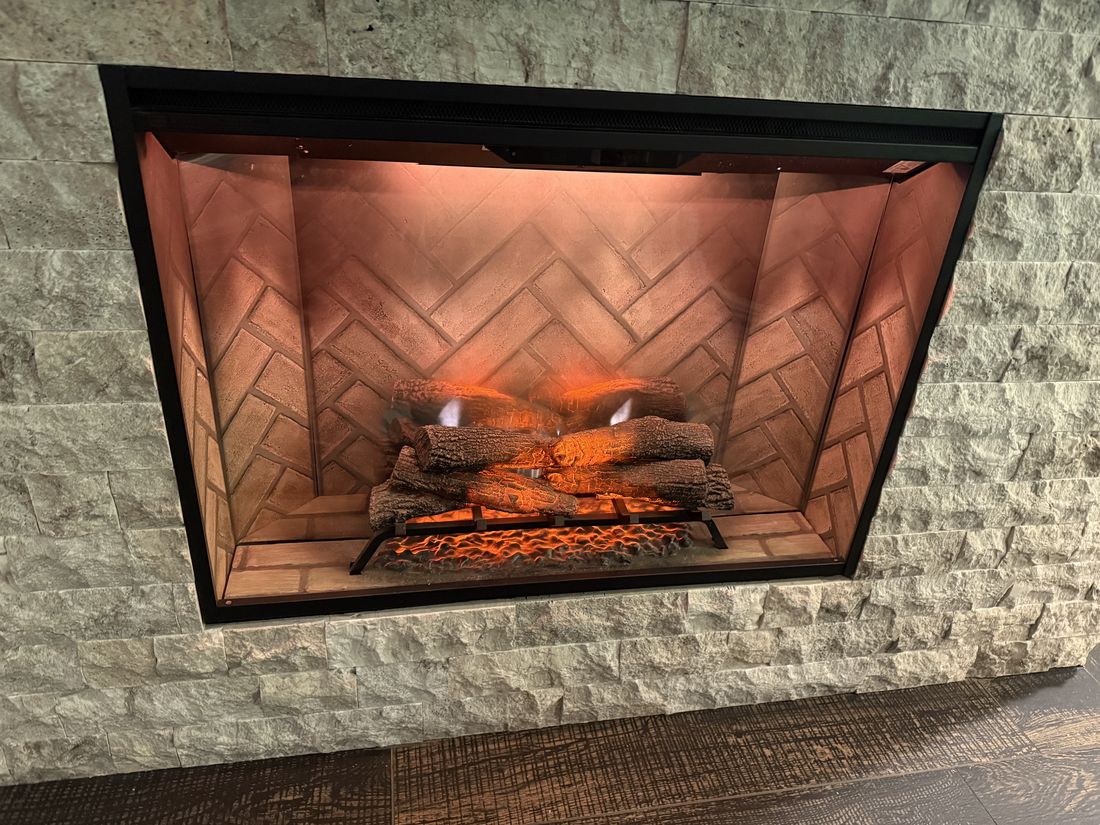
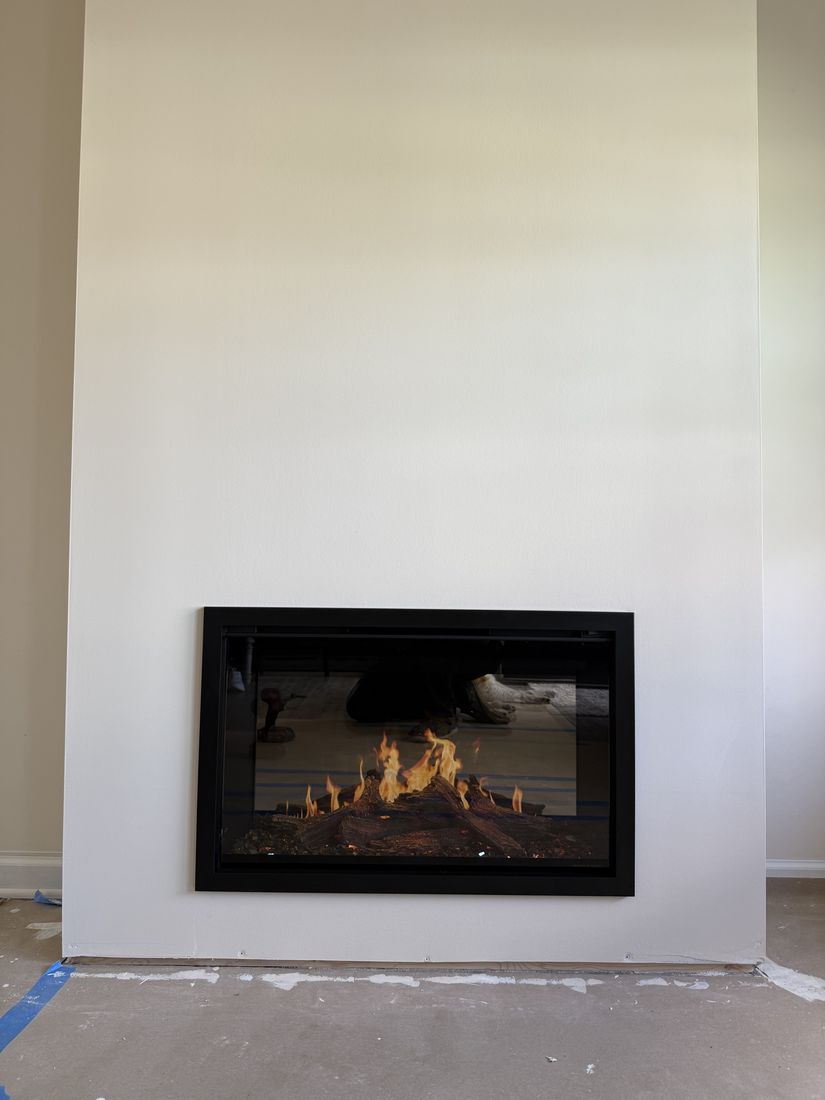
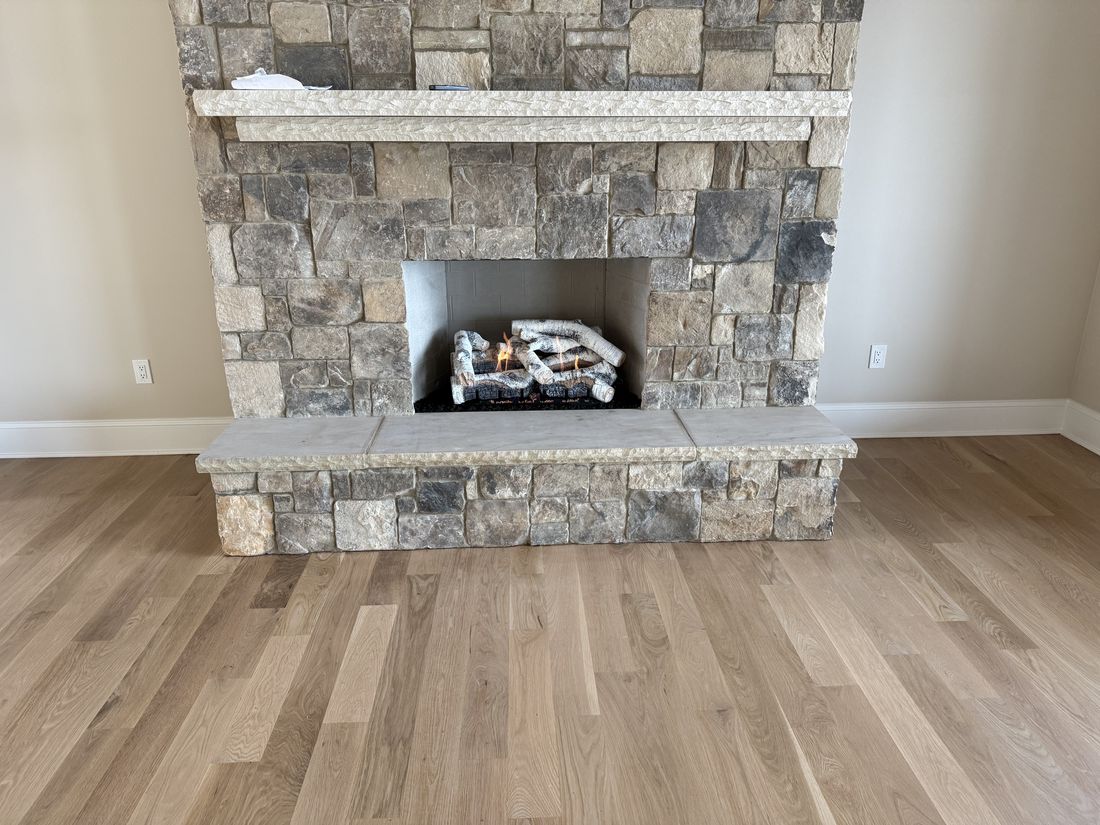
Cast stone mantel with an arched opening, logs lit.
Common questions
What people ask us first.
What is the difference between a fireplace and an insert?
A fireplace is a complete unit built into a wall or a framed opening. An insert is a sealed firebox designed to slide into a masonry fireplace you already have. It turns an open, drafty firebox into a closed, efficient heater without rebuilding anything.
Can I convert my wood-burning fireplace to gas?
Usually, yes. Depending on the firebox and how close gas service already is, the options are a gas log set dropped into the existing firebox, or a gas insert for far more heat. We look at the firebox and the gas run before recommending either one.
Do I need a chimney for a gas fireplace?
Not necessarily. Direct-vent gas fireplaces vent through an exterior wall or straight up through the roof, so they can go in rooms that never had a chimney. Bedrooms, basements and additions included.
Will a gas fireplace work during a power outage?
Many gas units with a standing pilot will light and put out heat with no electricity at all, which is exactly when people want them most. Units with electronic ignition typically need power or a battery backup. Ask us which applies to the model you are considering. It is worth knowing before you buy.
Who does the installation?
Our own crew. We sell it, install it to code, and handle the service calls afterward. That is the whole reason we have been able to do this in the same town since 1974. When you do all three, you cannot hide from your own work.
Next step
Tell us about the room.
Send a photo of the space, or just tell us what you are trying to do. We will call you back within one business day. If it is easier, come stand in front of the live displays instead.
- Rome Showroom
- 3 Holmes Ave NW
Rome, GA 30165
Get directions - Canton Showroom
- 3275 Marietta Hwy
Canton, GA 30114
Get directions - Hours
- Monday–Friday
8:30 AM – 4:00 PM
We call back within one business day.
Also on the floor