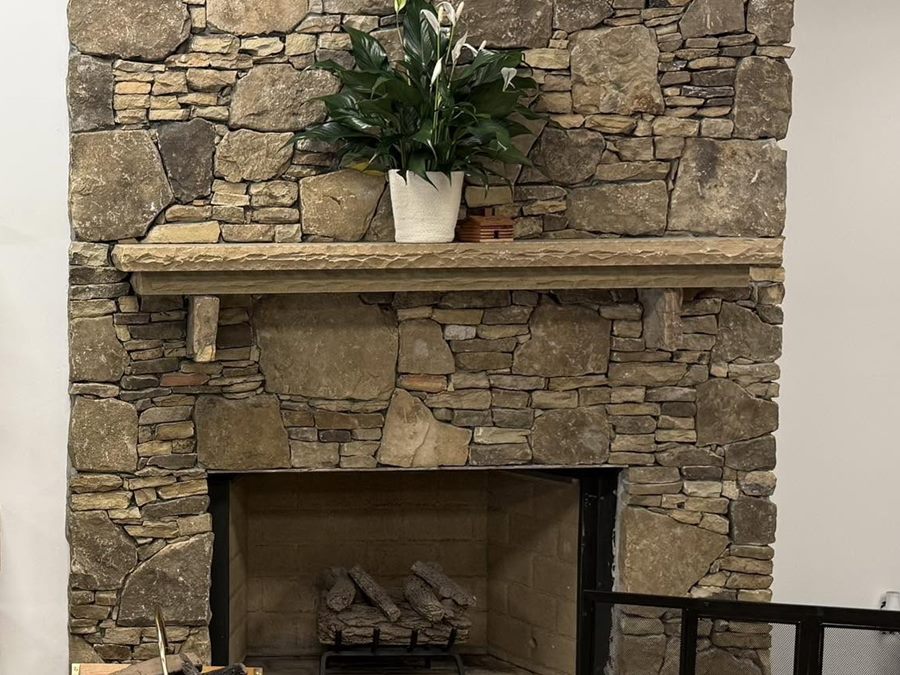
Gas logs
The look of a wood fire with none of the hauling, stacking, splitting, or sweeping. Flip a switch and the fire is already going. We have both oak and birch sets burning on the showroom floor so you can judge the flame with your own eyes.
What we carry
Log sets, burners, and the controls that run them.
A gas log set is three decisions: how it vents, what the logs look like, and how you turn it on. Here is what each one means.
Vented log sets
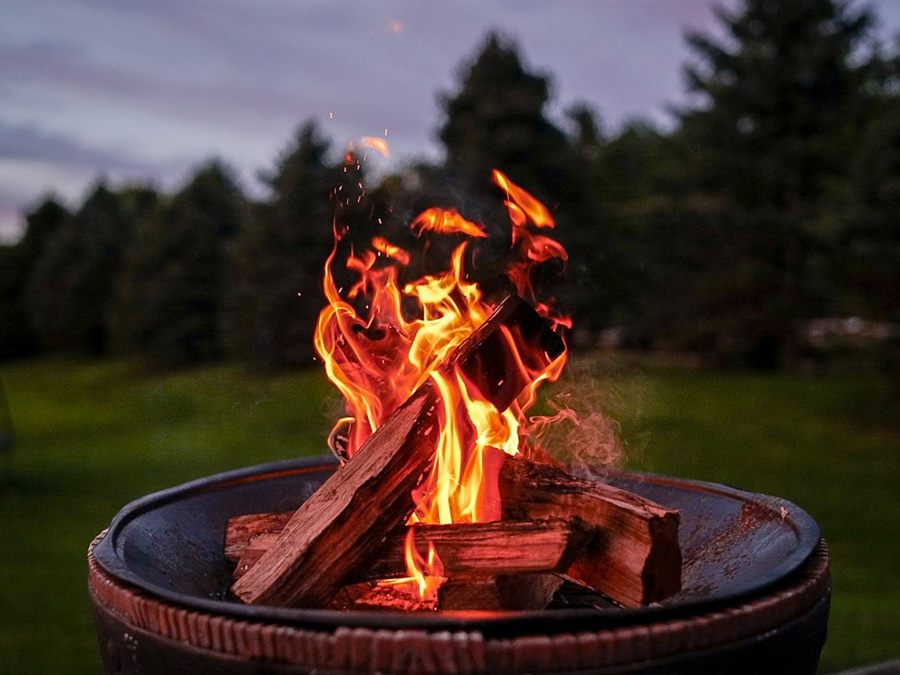
The realistic option. Tall, lazy yellow flames and heavy ember beds that read as a genuine wood fire from across the room. They burn with the damper open and a working chimney, which means most of the heat goes up the flue. You are buying the look.
Vent-free log sets
The heating option. No chimney required and nearly all of the heat stays in the room, which makes them useful in a basement, a den, or a house with no working flue. They must be sized to the room and are subject to local code, so we go over both before you buy.
Log styles
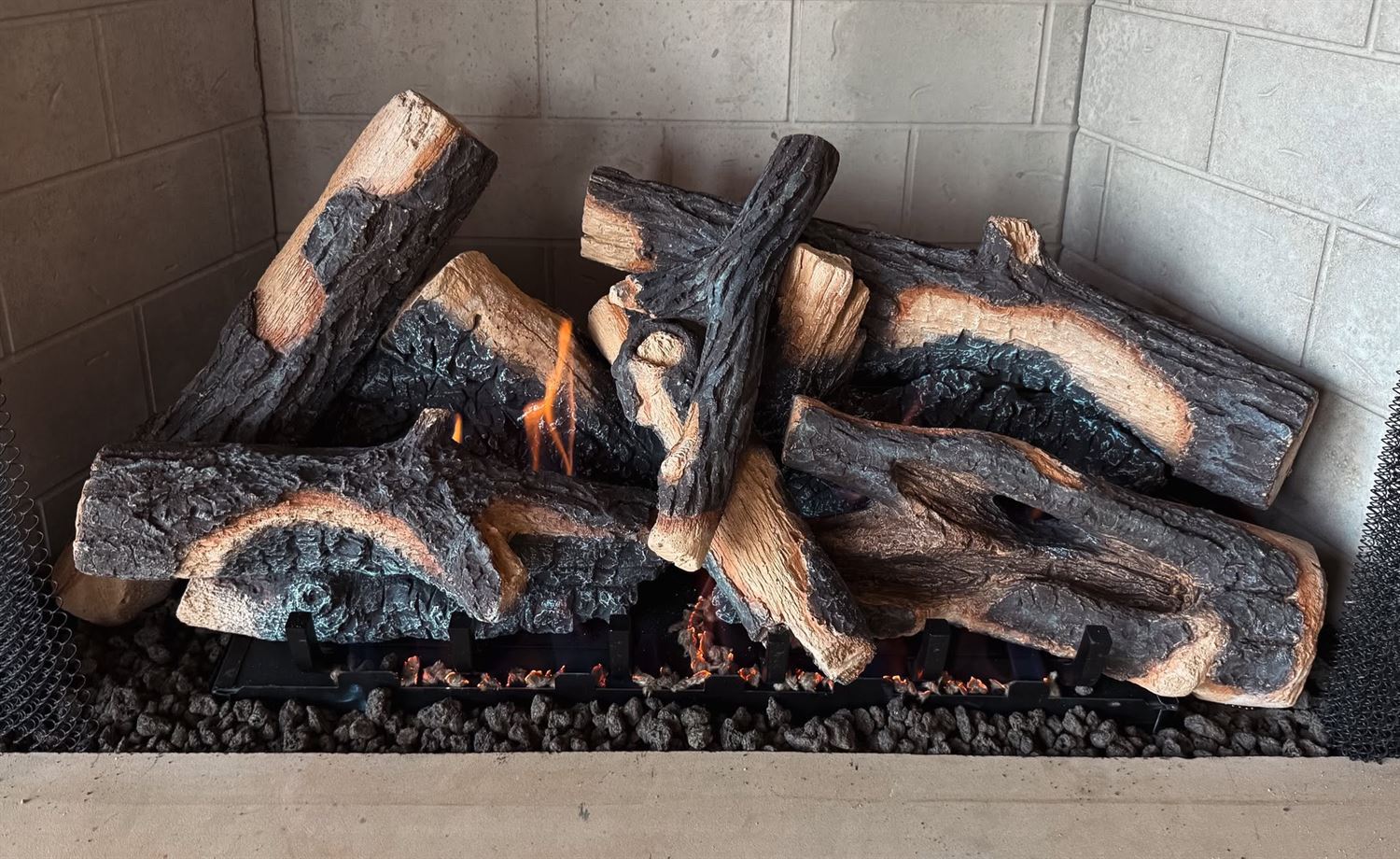
Split oak for a traditional, heavy look. White birch for a brighter, more contemporary room. Driftwood and other styles by order. We carry Real Fyre and White Mountain Hearth sets. The logs are hand-painted ceramic refractory, and up close the good ones are genuinely convincing. Come see the difference between a cheap set and a good one.
Valves, remotes & safety pilots
A manual key valve is the simplest and cheapest. A millivolt safety pilot adds a thermocouple that shuts the gas off if the flame goes out, and opens the door to handheld remotes, wall switches, and thermostats that hold a room temperature for you.
| Vented logs | Vent-free logs | |
|---|---|---|
| Flame | Tall, yellow, most realistic | Shorter and more controlled |
| Chimney | Required, with the damper open | Not required |
| Heat into the room | Very little, most goes up the flue | Nearly all of it |
| Sizing | To the firebox | To the firebox and the room volume |
| Local code | Widely permitted | Restricted in some rooms and jurisdictions |
| Best for | Looks and atmosphere | Real supplemental heat |
Vented or vent-free is the only hard decision.
Everything else about a gas log set is preference. This one is physics, and getting it wrong is the difference between loving the fire and being annoyed by it every winter.
- Pick vented if you want the fire to look real. You have a working chimney, you like a big yellow flame, and you are after atmosphere rather than a heat source.
- Pick vent-free if you want the room warmer. No chimney needed, and the heat that would have gone up the flue stays with you instead.
- Room size governs vent-free. A vent-free set has to be matched to the volume of the space it is heating. Oversizing one is the most common mistake we get called out to fix.
- Local code has a say. Vent-free units are restricted in some rooms and some jurisdictions. We will tell you straight whether yours is a candidate.
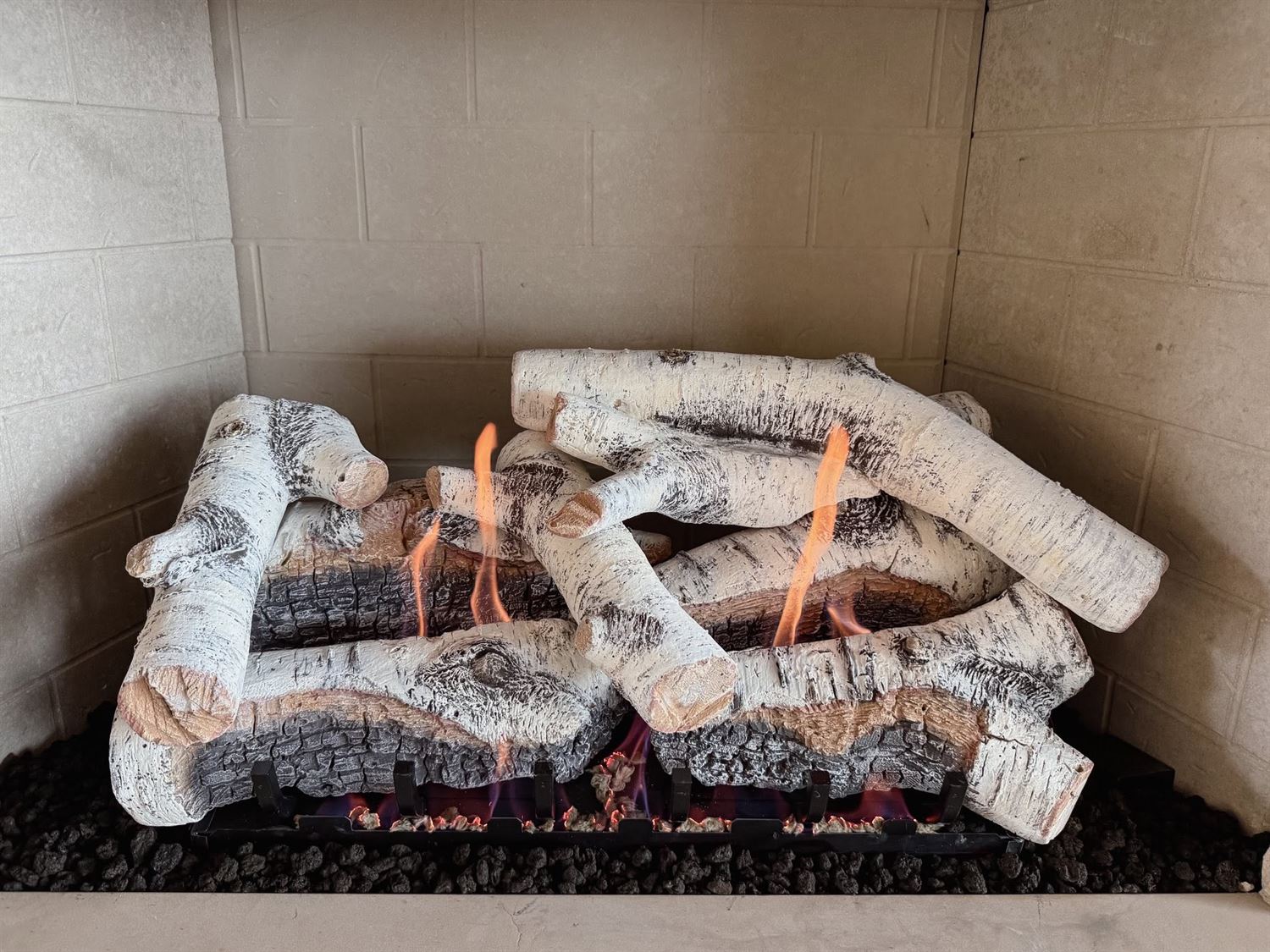
Your firebox picks the size, not you.
Log sets are sold by size, and the firebox you already own decides which sizes are even on the table. A set that is too big chokes the flame and throws soot; too small and it looks lost in the opening.
- Three measurements. Width at the front, width at the back, and depth. Masonry fireboxes taper, so the back width matters more than people expect.
- Natural gas or propane. The two are not interchangeable out of the box; the orifice is sized differently for each. Tell us which you have and it gets ordered correctly the first time.
- Is gas already there? If there is no line to the fireplace yet, that becomes part of the job. Easier to find out now than after the logs arrive.
- Bring photos. A photo of the firebox plus rough measurements is genuinely enough for us to point you in the right direction over the phone.
Sets we have lit
What they look like burning.
A log set is one of the few upgrades that changes a room the same afternoon it goes in. These are customer fireboxes in Northwest Georgia, photographed the day the gas was turned on.
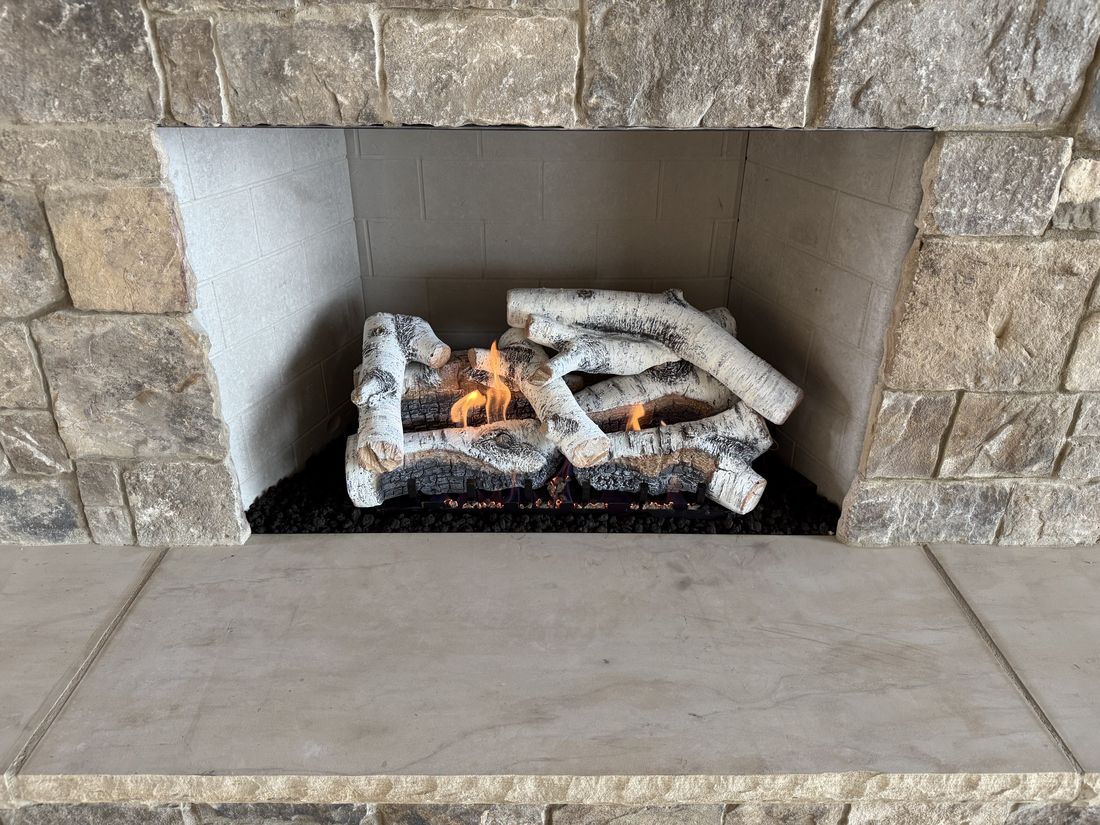
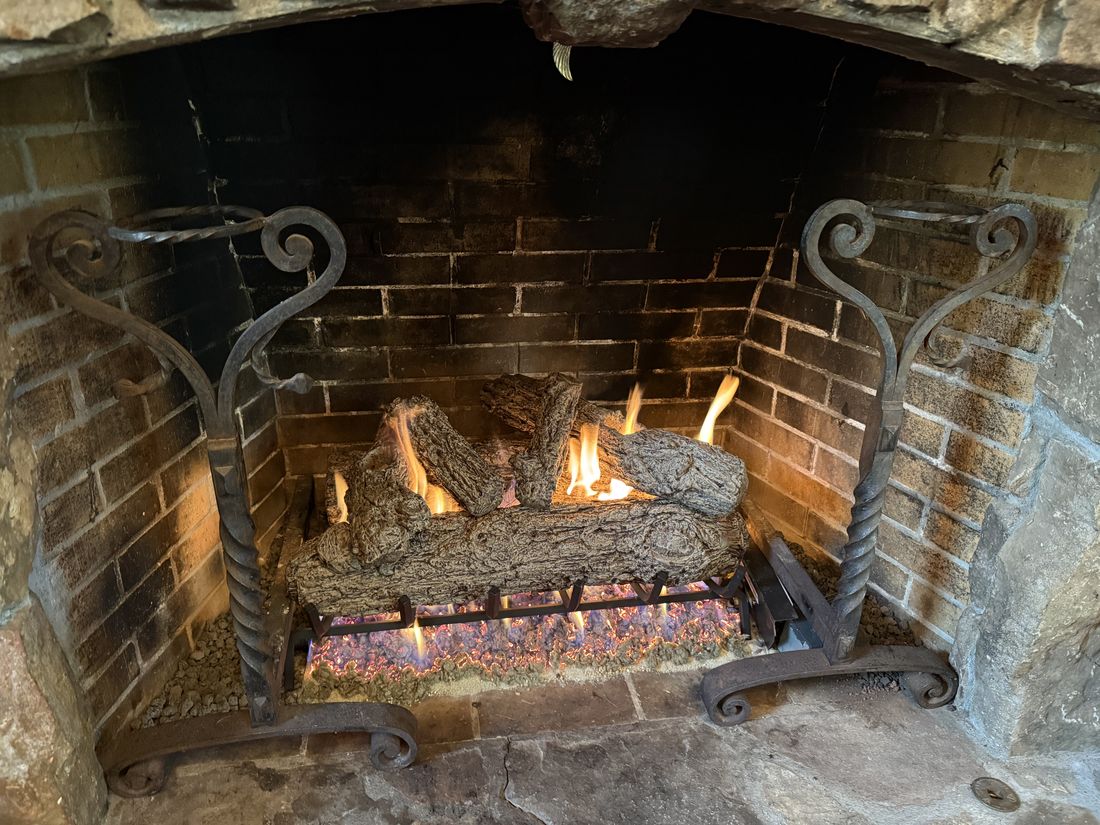
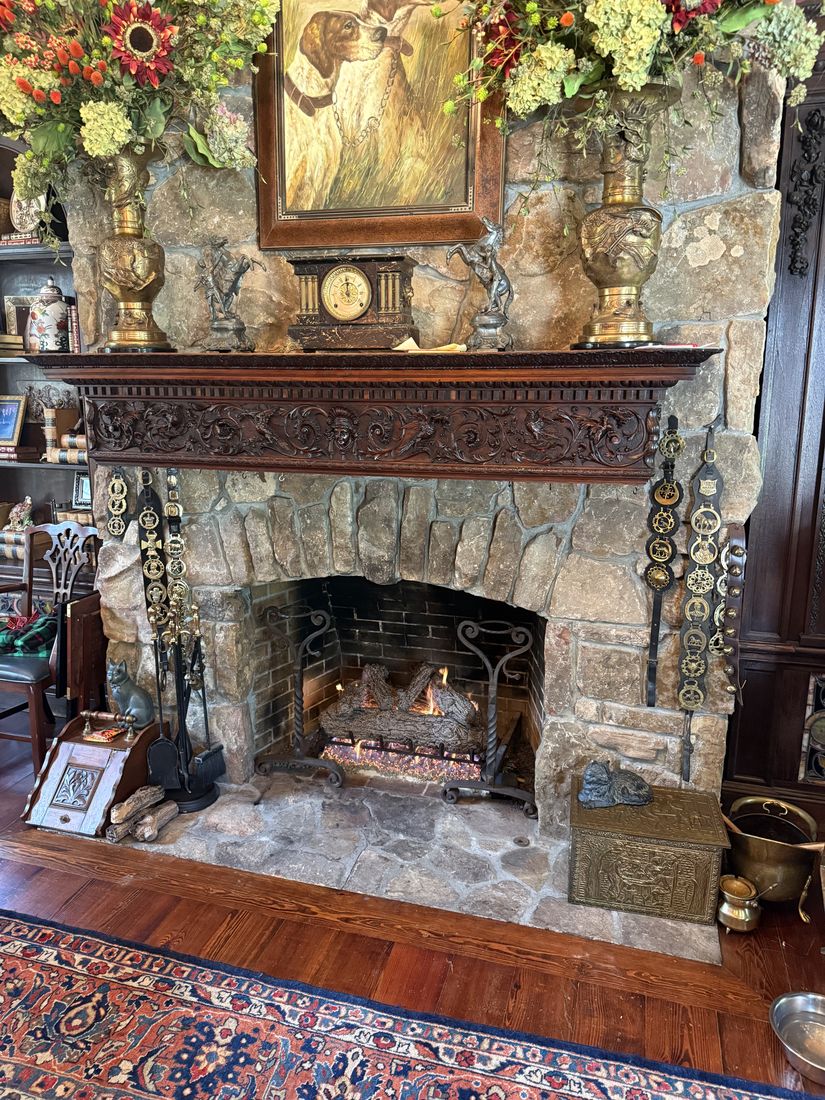
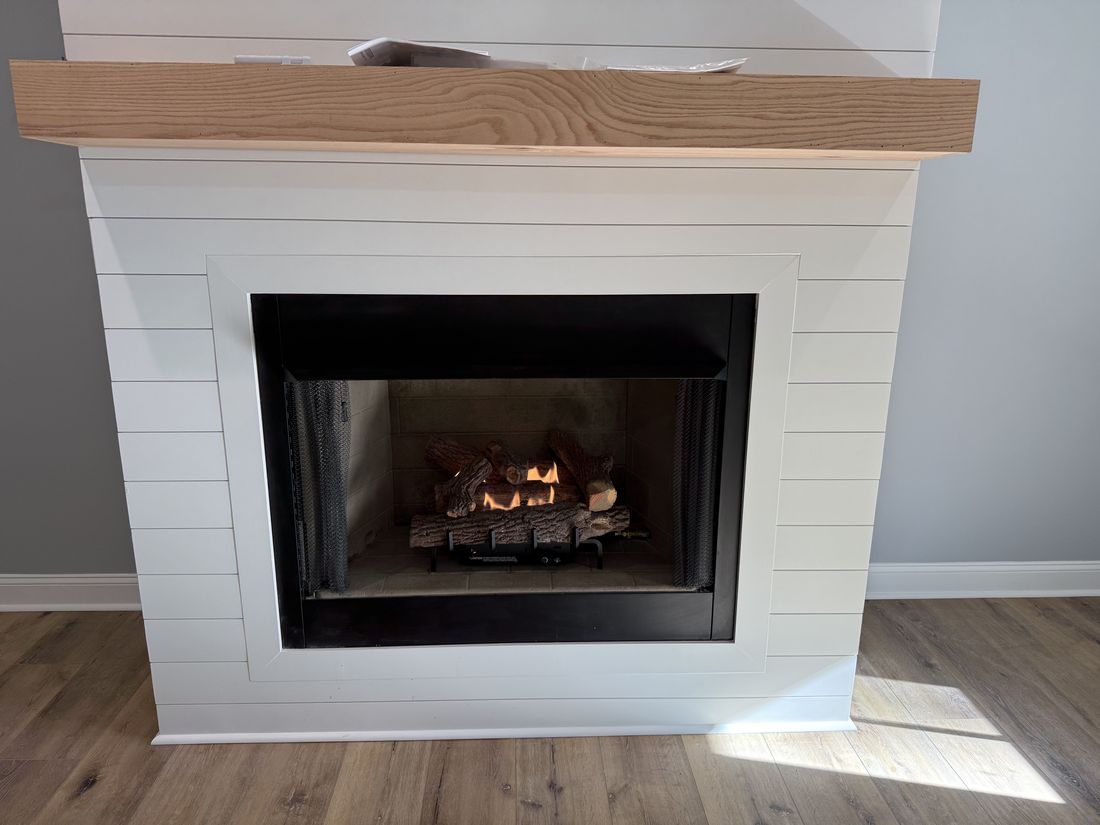
The same kind of set, running. Tap to pause.
Common questions
What people ask us first.
What is the difference between vented and vent-free gas logs?
Vented logs burn with a tall, realistic yellow flame and require a working chimney with the damper open, so most of the heat goes up the flue. Vent-free logs burn cleaner and cooler, need no chimney at all, and put nearly all of their heat into the room, but they have to be sized to the room and are subject to local code.
Will gas logs heat my house?
Vent-free logs will genuinely heat the room they are in. Vented logs are mainly for looks, since the open damper sends most of the heat up the chimney along with the smoke. If real heat is the goal, a gas insert will beat either one, and we would rather tell you that up front than sell you the wrong thing.
Do gas logs work during a power outage?
Most gas log sets use a standing pilot and a millivolt valve, so they light and burn with no electricity at all. That is one of the main reasons people around here put them in.
Can I put gas logs in my existing wood-burning fireplace?
In most cases, yes, as long as the firebox is sound and gas can be run to it. We measure the firebox and look at the gas line before quoting, because the set has to be sized to the opening rather than the other way around.
Do gas logs need annual service?
Yes. A yearly tune-up keeps the pilot, the burner ports, and the log placement correct. Log placement is the one most people get wrong after cleaning. Logs sitting in the wrong spot are the usual cause of sooting and a flame that stops looking right. We service what we sell.
Next step
Send us your firebox.
A photo and three rough measurements are enough to get started. We will call you back within one business day, or come by and watch both sets burn side by side.
- Rome Showroom
- 3 Holmes Ave NW
Rome, GA 30165
Get directions - Canton Showroom
- 3275 Marietta Hwy
Canton, GA 30114
Get directions - Hours
- Monday–Friday
8:30 AM – 4:00 PM
We call back within one business day.
Also on the floor