Fire pits & fire tables
A fire pit is the cheapest way to add a room to your house. Put one on the patio and the back porch turns into where everybody actually sits, from the first warm evening in spring straight through football season.
What we carry
Four ways to put fire on the patio.
The right one depends on where it is going, how often you will use it, and whether you want to deal with wood.
Gas fire pits
A burner in a bowl or a square, running on propane or natural gas, usually finished with lava rock or fire glass. On in seconds, off in seconds, no smoke and no sparks, which matters a great deal when the pit sits near a house.
Fire tables
The same burner built into a table at seating height, with usable ledge around the flame for drinks and plates. This is the piece that turns a patio into an outdoor living room, and it is the one most people want once they see it.
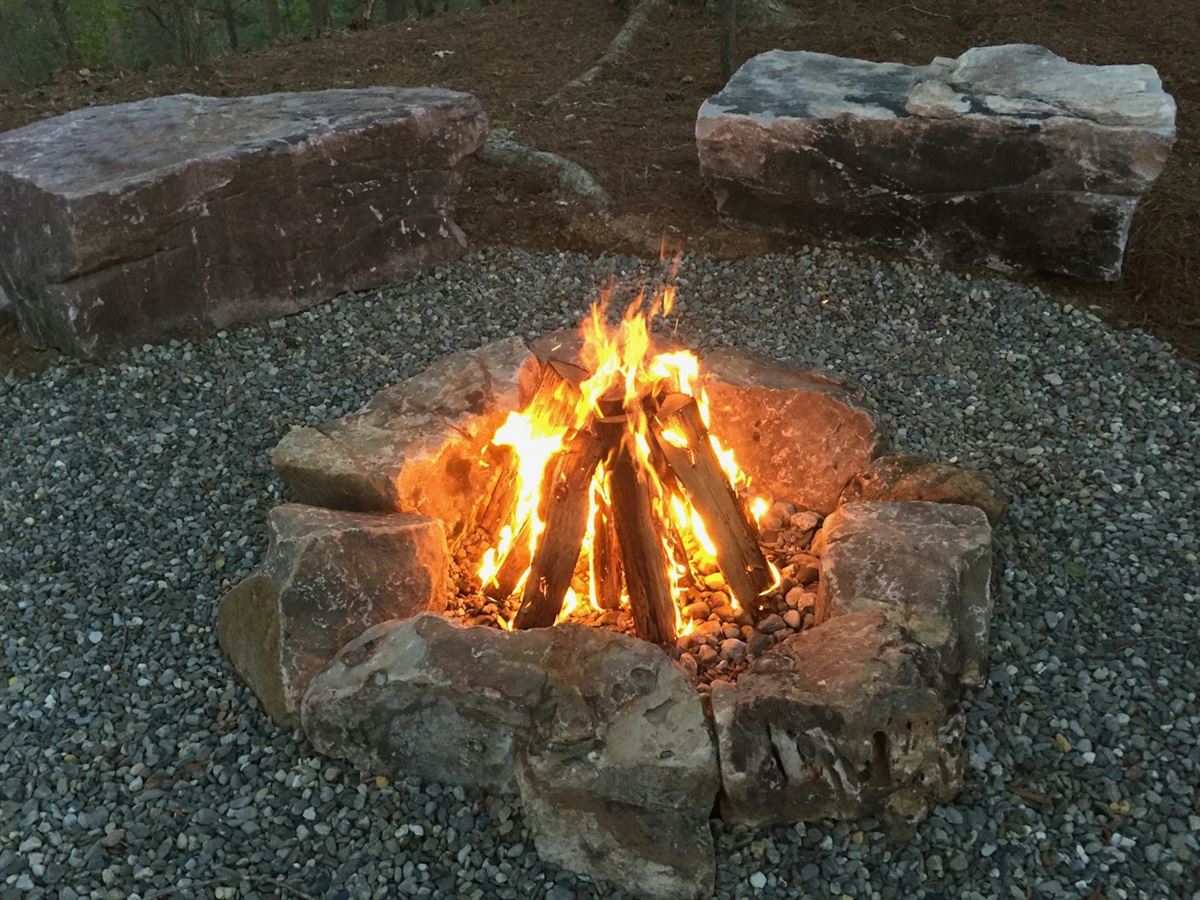
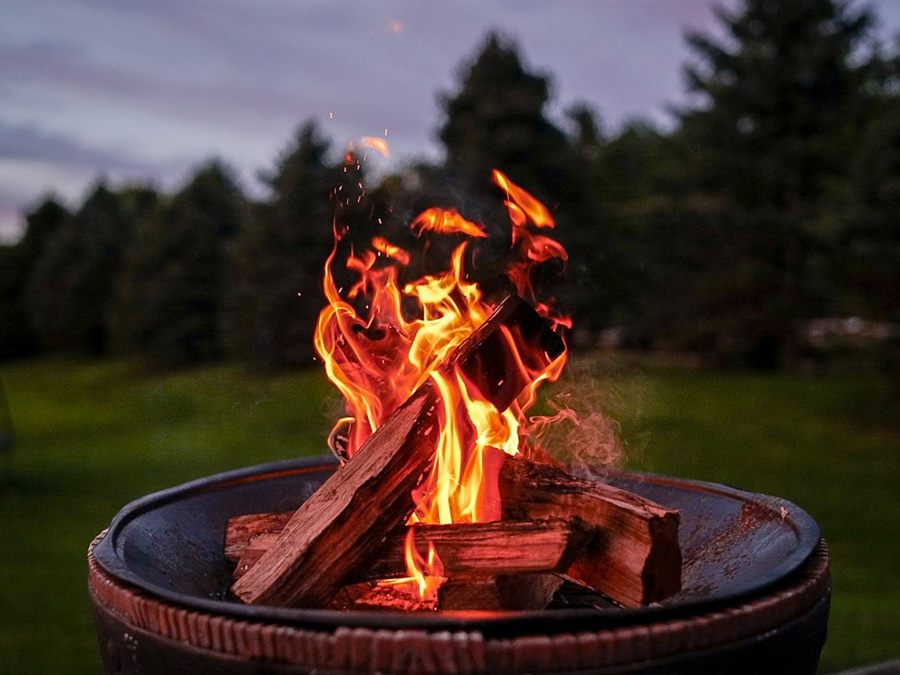
Wood-burning fire pits
For the people who want the real thing: the crackle, the smell, the sparks going up. Simpler, cheaper to buy, and no gas line to think about, in exchange for hauling wood and shoveling ash.
Burners for custom builds
Building a stone or masonry pit of your own? The burner, pan, and controls underneath are the part that has to be right, and the part that is genuinely dangerous to improvise. Bring us the plan and we will spec the guts.
| Gas | Wood-burning | |
|---|---|---|
| Lighting it | Seconds, on a switch or key valve | Build and light a fire |
| Smoke & sparks | None | Yes, plan seating and clearances |
| Close to the house | Usually fine with proper clearances | Keep well clear; never under a roof |
| Fuel | Propane tank or a plumbed gas line | Firewood |
| Cleanup | None | Ash |
| How often it gets used | Far more often | Mostly on occasions |
Gas or wood decides everything else.
Make this call first, because it determines where the pit can go, what it costs to install, and how often you will actually light it.
- Gas gets used more. This is the honest argument for it: when lighting a fire takes fifteen seconds instead of twenty minutes, you do it on a random Wednesday.
- Gas is the safer neighbor. No sparks and no smoke means it can sit closer to the house, and nobody has to move their chair every time the wind shifts.
- Wood costs less up front. No gas line, no plumbing, and you can move it. If it is going in the middle of the yard, wood often makes more sense.
- Wood smells like a fire. No gas unit fully replicates it. If that is the whole point for you, we are not going to talk you out of it.
Plan the seating before you buy the pit.
The most common regret we hear is not about the pit itself. It is that the patio was never laid out around it. A few minutes of planning fixes that permanently.
- Warmth is a circle, not a yard. A fire pit heats the ring of people around it. Chairs pulled in close is the difference between comfortable in November and everyone drifting inside.
- Leave room to walk behind the chairs. Seating plus a walking lane is what separates a patio that works from one people squeeze around.
- Mind what is overhead. Roof lines, eaves, and low branches all have clearance requirements, and a wood-burning pit never belongs under a cover.
- Decide about the tank now. Propane hidden in the base keeps the pit portable; a plumbed line means never thinking about fuel again but fixes it in place forever.
- Check the surface. Pavers, concrete, and gravel are all fine. A wood deck is a real conversation, and one worth having before delivery rather than after.
Common questions
What people ask us first.
Gas or wood-burning?
Gas lights instantly, makes no smoke, throws no sparks, and shuts off when you go inside, so it gets used far more often. Wood gives you the crackle, the smell, and the campfire feel, at the cost of hauling wood, smoke that follows you around the circle, and ash to clean out.
Can I put a fire pit under a covered porch?
Sometimes. Only with a gas unit rated for it, plus the right overhead and side clearances. A wood-burning fire pit should never go under a roof. Tell us about the space before you buy and we will tell you honestly what is safe there.
Propane tank or a plumbed gas line?
A propane tank hidden in the base means the pit can go anywhere and move later, but you will swap tanks. A plumbed natural gas line means you never think about fuel again, but the pit lives where the line ends. Neither is wrong; they are just different trade-offs.
Will a fire pit actually keep us warm?
It heats the circle around it, not the whole yard. Plan the seating distance along with the pit and it will genuinely extend your evenings well into the fall.
Do you handle the gas line?
Tell us what you are planning and we will tell you what the job involves and what we can take on. Running gas outdoors is not a do-it-yourself project, and we would rather scope it honestly up front than leave you guessing.
Next step
Tell us about the patio.
Where it is going, what the surface is, and whether gas is already out there. That is enough for us to point you at the right unit. We call back within one business day.
- Rome Showroom
- 3 Holmes Ave NW
Rome, GA 30165
Get directions - Canton Showroom
- 3275 Marietta Hwy
Canton, GA 30114
Get directions - Hours
- Monday–Friday
8:30 AM – 4:00 PM
We call back within one business day.
Also on the floor